
South Africa’s
Indigenous Trees
Tree of the year
FSA TRee names
Protected trees
Big trees
Trees of the Year 2026
The extended list of trees of the year now has a Common Tree, a Tree for Promotion, and a Tree for Appreciation. The Common Tree is a species or genus occurring widely, and/or easy to grow. The Tree for Promotion is a species or genus that may be less widely adapted but is not uncommon. The Tree for Appreciation would be a tree species or genus that is generally more restricted in its distribution range or suitable habitat (Source: Approved List of Trees or the Year 2021-2035 – Department of Agriculture, Forestry and Fisheries).
Common Tree
A species or genus occurring widely and/or easily grown
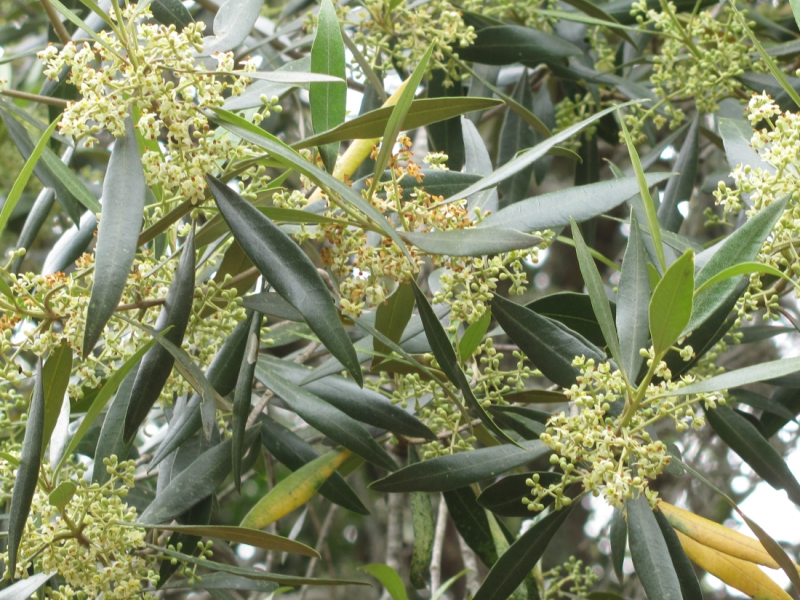
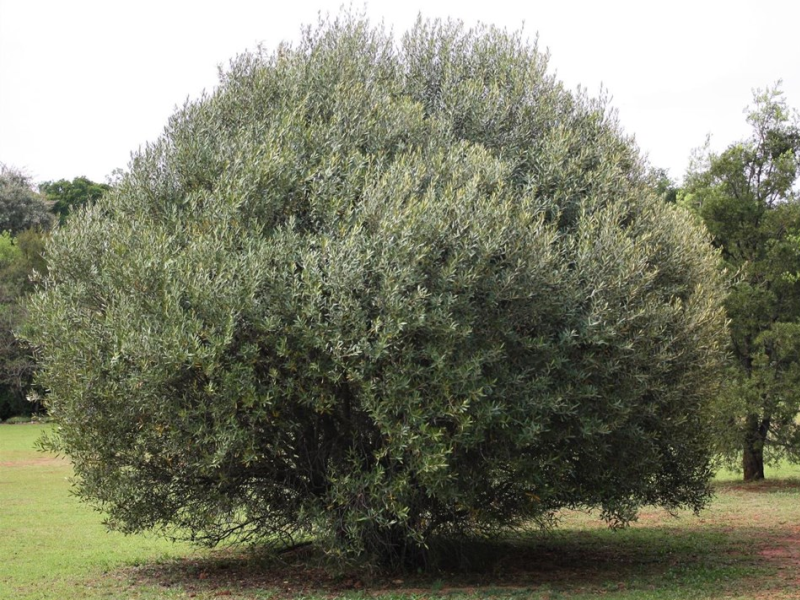
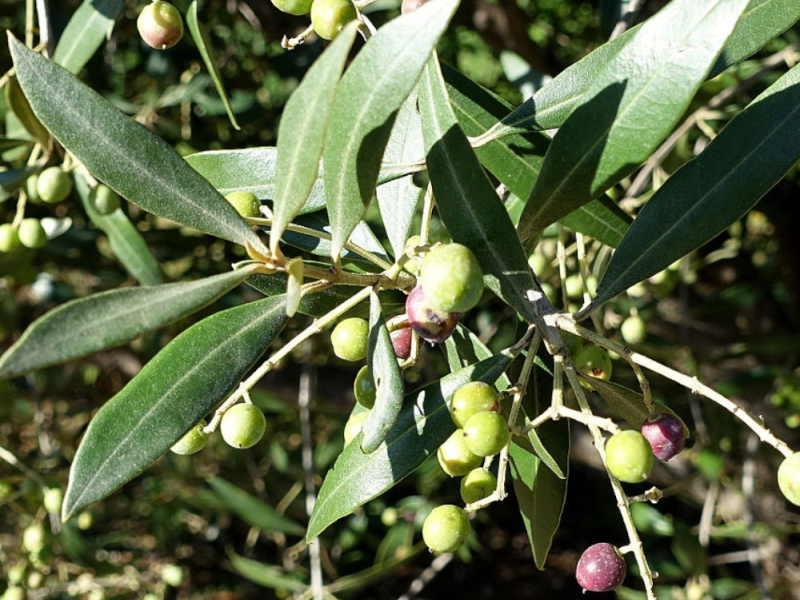
wild olive / olienhout, Olea europaea subsp. africana
Tree for Promotion
A species or genus that may be less widely adapted but is not uncommon
red ivory / rooi ivoor, Phyllogeiton zeyeri
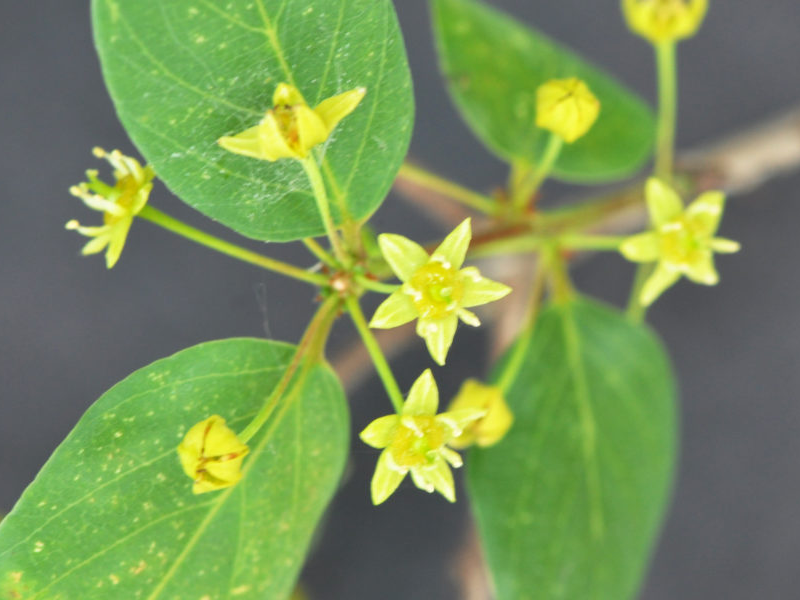
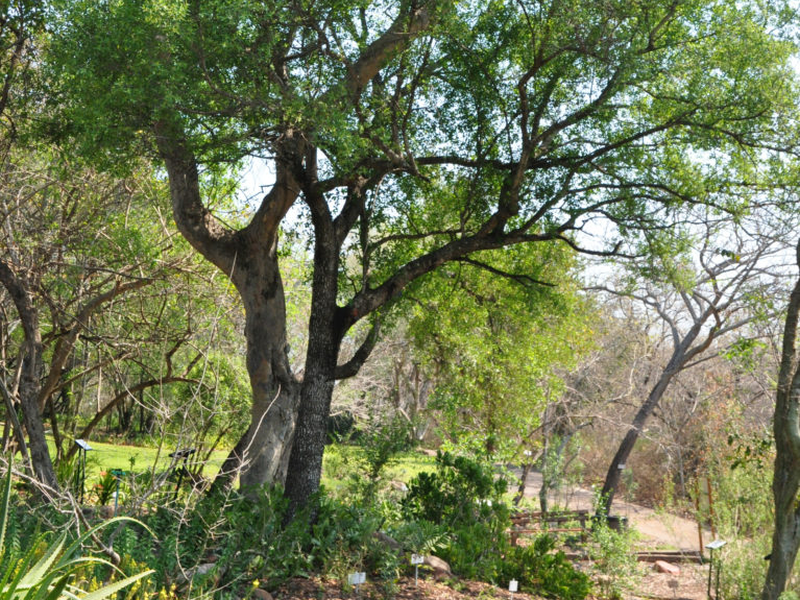
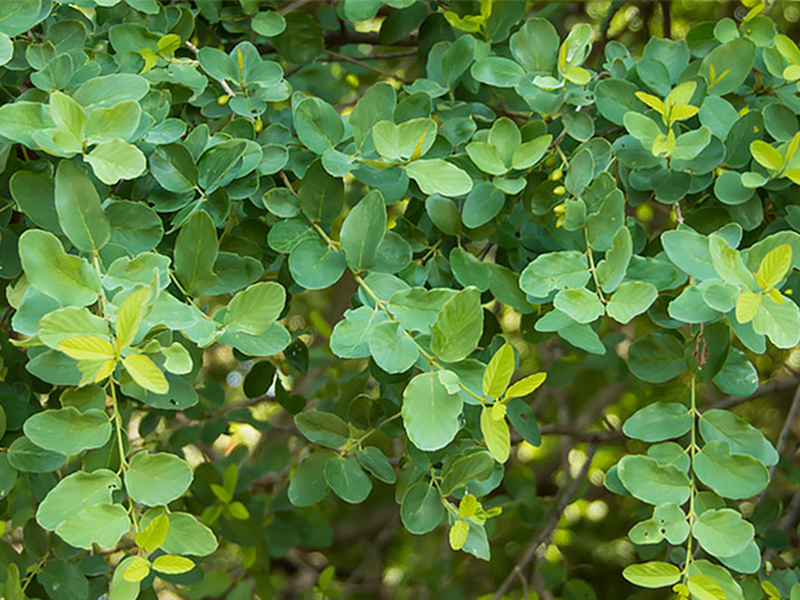
Tree for Appreciation
A tree species or genus with a more restricted distribution range or suitable habitat
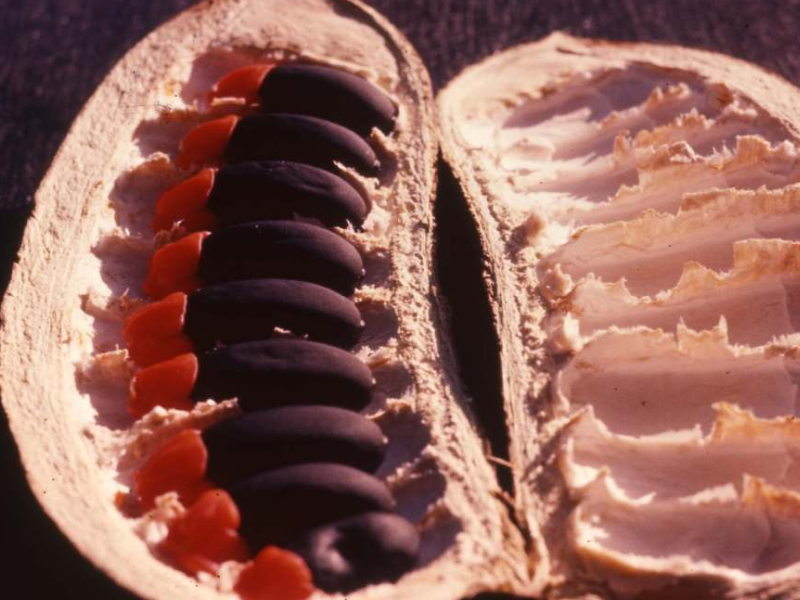
pod-mahogany / peulmahonie, Afzelia quanzensis
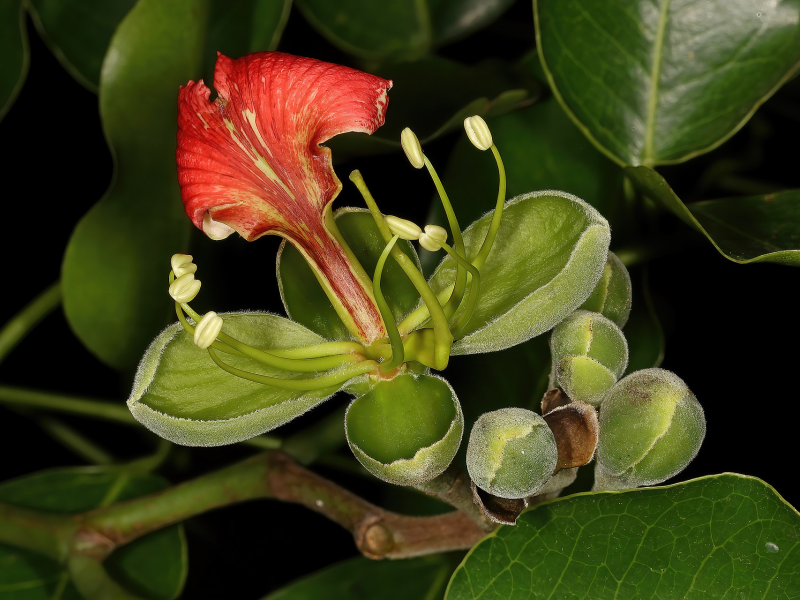
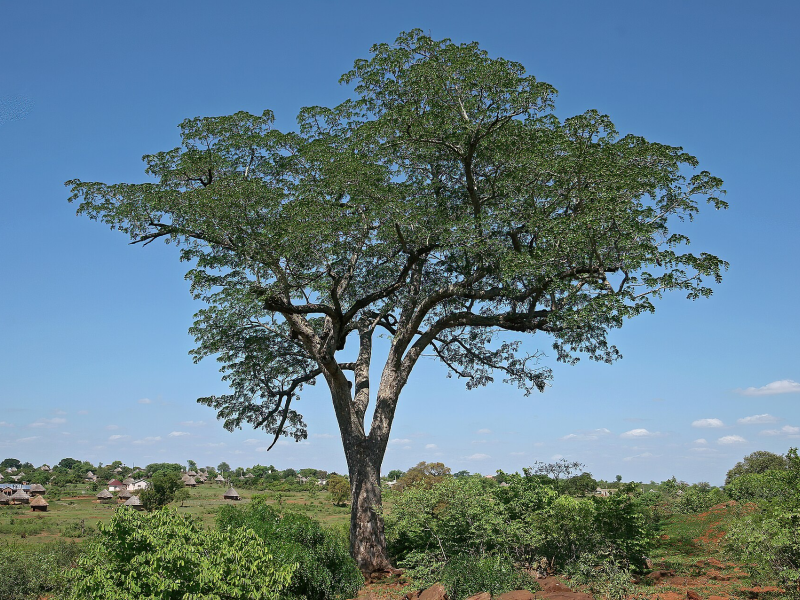
September – South African Arbour Month
The Flora of Southern Africa (FSA) Tree List
The FSA Tree List with botanical names, recommended English names and recommended Afrikaans names include the trees and other woody plants occurring in the geographical region of the Flora of Southern Africa [FSA], namely South Africa, Botswana, Namibia, Lesotho and the Kingdom of Eswatini.
The list in maintained and updated by the Tree Names Committee of the DSSA in close cooperation with the South African National Biodiversity Institute (SANBI). The list is annually updated and published in the Dendron.
What is a protected species?
Protected species are species protected by international, national and provincial legislation. Hunting, picking, owning, importing, exporting, transporting, growing, breeding and trading of such species are illegal without valid permits or licences. The names of protected species are listed in international conventions, national acts and provincial ordinances. Examples include the following:
- The Convention on International Trade in Endangered Species (CITES), which regulates the international commercial trade of species. A list of CITES-protected species can be obtained from https://cites.org/eng/disc/species.php
- The list of threatened or protected species contained in the National Environmental Management: Biodiversity Act (NEMBA). These are nationally protected species that can only be owned, hunted, picked, traded, imported, exported, transported, bred or grown with a valid permit. A list of NEMBA-protected species is available at www.speciesstatus.sanbi.org/pdf/NEMBAToPslist23Feb.pdf
- The list of protected trees of the Department of Agriculture, Forestry and Fisheries (DAFF). In terms of the National Forests Act of 1998, no trees in natural forests, or tree species that appear on DAFF’s list of protected trees, may be cut, disturbed, damaged or destroyed. Moreover, their products may not be possessed, collected, removed, transported, exported, donated, purchased or sold without a licence granted by DAFF. A list of trees that are protected in terms of the National Forests Act is available for download on this site
NATIONAL LIST OF PROTECTED TREES
Protected trees include dead trees.
- According to the legal definition, “tree” includes any part of it, like coppice shoot, root, branch, fruit, seed, bark, leaves, as well as seedling, sapling or transplant.
- In principle if any action or use applied for, is unsustainable, it should be refused. Sustainability should not be compromised.
- An application can be refused or granted on certain conditions. Whatever the decision, this must be based on justifiable reasons, to comply with the requirements of administrative justice. This entails fairness, impartiality, a good sense of judgment, and utter caution in order to prevent precedents. If in doubt, consult someone with the necessary experience/authority
Champion Trees
CHAMPION TREES OF SOUTH AFRICA (Individual Trees and Groups of Trees Declared as Protected Under Section 12 of the National Forests Act of 1998 by the Department of Agriculture, Forestry and Fisheries) is a project initiated by the Department of Water Affairs and Forestry (DWAF) in 1998.